Every Newborn in England to Be Screened for Spinal Muscular Atrophy
The UK government has confirmed a national evaluation to test all babies in England for SMA, a genetic condition where early treatment can transform outcomes.
Commentary & Analysis ·
Verified key facts
- On 16 July 2026 the UK government confirmed newborn screening for SMA will be rolled out across England.
- Seven laboratories will begin testing from October 2026, three months ahead of the original schedule.
- The SENS evaluation, led by the University of Oxford, is a £4 million study designed to screen up to 755,000 newborns.
- Remaining laboratories are expected to begin screening from October 2027, subject to funding.
A national step for newborn testing
The UK government has announced a major change to newborn health screening. On 16 July 2026 it confirmed that testing for spinal muscular atrophy will be rolled out across England. Every baby will be offered the test during the evaluation.
The announcement was made by the Department of Health and Social Care. According to GOV.UK, the goal is to run a national evaluation. That evaluation will assess whether SMA should be permanently added to the NHS newborn blood spot test.
Muscular Dystrophy UK welcomed the move as a milestone. The charity had campaigned for the change. The decision means screening will reach newborns nationwide rather than only in pilot areas.
What SMA is and why timing matters
Spinal muscular atrophy is a rare, inherited condition. It affects the nerves that control movement and can cause progressive muscle weakness. In its most severe forms it can be life-threatening in early childhood.
Early detection is central to the case for screening. Treatments now exist that can dramatically alter the course of the condition. Their benefit is generally greatest when started before symptoms appear.
That is the logic behind testing at birth. Identifying affected babies early gives clinicians the chance to act sooner. Families and doctors can then discuss treatment options promptly with specialist teams.
How the rollout will work
The programme will start in stages. According to reporting on the announcement, seven laboratories will begin testing from October 2026. That is three months ahead of the original schedule.
Those first laboratories cover a large share of births. The remaining six screening laboratories are expected to begin from October 2027. The Department of Health said it was seeking investment to fund the full rollout for 2027.
The evaluation itself is substantial. The £4 million study is called SENS, or Service Evaluation for Newborn Screening for SMA. It is led by the University of Oxford.
- Screening confirmed for rollout across England on 16 July 2026
- Seven laboratories start testing from October 2026
- SENS study designed to screen up to 755,000 newborns
- Full national coverage targeted from October 2027, subject to funding
What the study will measure
SENS is not simply a screening exercise. It is designed to gather evidence for a permanent decision. The study will assess feasibility, clinical effectiveness and cost-effectiveness within the NHS.
That evidence matters for policy. Adding a condition to the national blood spot programme is a significant step. Officials want data on how screening performs at scale before making it permanent.
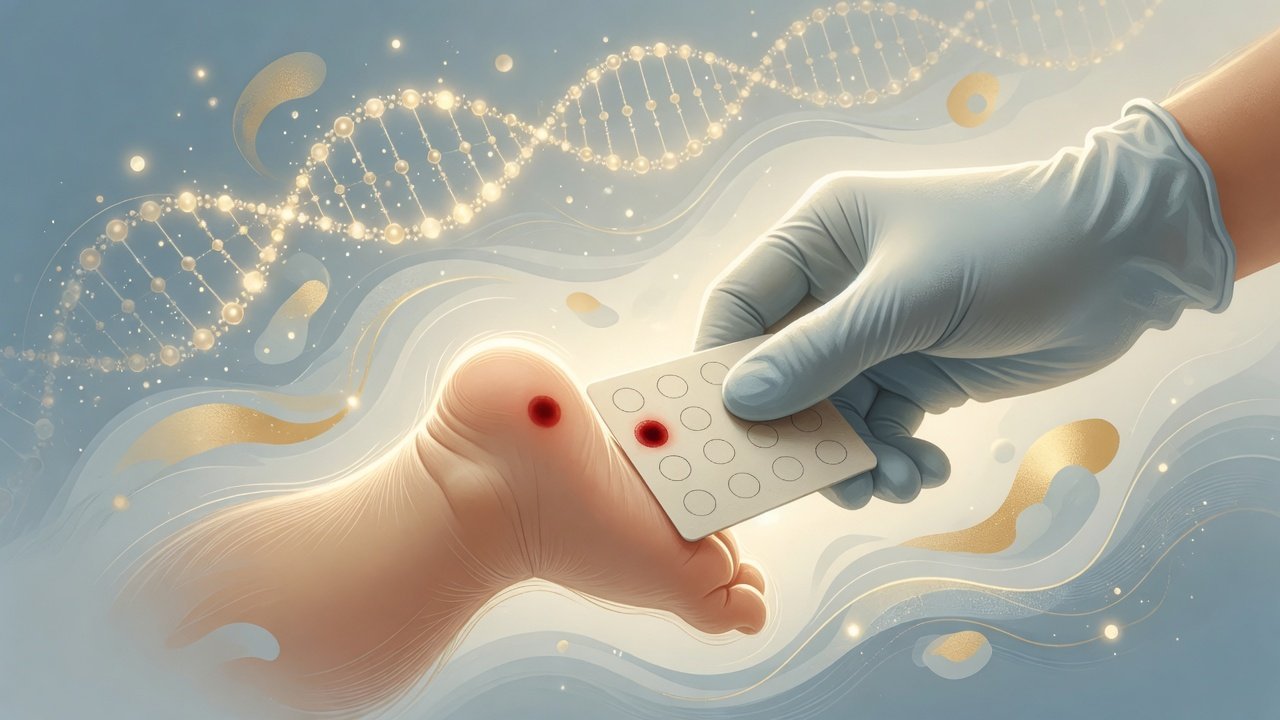
The programme is designed to screen up to 755,000 newborns across England. That reach reflects the near-universal nature of newborn blood spot testing. Most babies in England already receive the heel-prick test for other conditions.
A campaign that shaped policy
The decision followed sustained advocacy. ITV News reported that singer Jesy Nelson, who has spoken about the condition affecting her family, called the national rollout a victory. Campaigners had pushed for wider screening for years.
Patient charities framed the announcement as the result of that pressure. Muscular Dystrophy UK described the move as a long-sought change. The involvement of public figures helped raise the profile of the cause.
What families should know
The screening will form part of the existing newborn blood spot process for participating areas. Parents in those areas will be offered the test as part of routine newborn care. Take-up remains a matter for families to discuss with health professionals.
A positive screening result is not a final diagnosis on its own. It leads to further specialist assessment and confirmatory testing. Any decisions about treatment are made with specialist clinical teams.
Parents with questions about SMA or newborn screening should speak with their midwife, health visitor or GP. This report describes a national programme, not individual medical guidance. The evaluation's findings will shape whether screening becomes permanent.
Sources
- GOV.UK - Every baby in England to get life-saving genetic test from birth (16 July 2026)
- Muscular Dystrophy UK - Every newborn baby in England to be screened for SMA (16 July 2026)
- ITV News - Jesy Nelson says national rollout of baby SMA screening is a 'victory' (16 July 2026)
You may also like to read
NHS Sets 10-Year Plan to Cut Sepsis Deaths by a Quarter
A new NHS England framework promises wearable monitors, better staff training and a prevention focus to reduce sepsis deaths and complications by 2035.

US Cyclospora Outbreak Nears 7,000 Cases as Officials Eye Salad Greens
A parasite that causes prolonged diarrhoea has spread across 34 US states, with Michigan hardest hit and investigators examining lettuce as a suspect.

Ebola Outbreak in DR Congo and Uganda Passes 2,000 Confirmed Cases
The Bundibugyo strain of Ebola continues to spread in eastern DR Congo, with 754 deaths reported and Ituri province at the centre of the response.

FDA Approves Gedatolisib for HR-Positive, HER2-Negative Advanced Breast Cancer
The multi-target inhibitor Revtorpyk was cleared for certain advanced breast cancers, with trial data showing sharply reduced risk of disease progression.